Wine and Chocolate Pairings: The Perfect Indulgence
Deli
Wine and chocolate, two of life’s most decadent pleasures, have long been enjoyed separately. (Both are products of fermentation and careful craft: cacao beans are fermented, dried, roasted, and ground much as grapes are fermented and aged, and both reflect the place where they were grown.) However, when combined in the right way, these two indulgences can create a symphony of flavors that tantalize the taste buds and elevate the sensory experience.
Pairing wine and chocolate is an art that involves finding the perfect balance between sweetness, acidity, and tannins. It is also a famously tricky one, since chocolate’s fat and sugar can make many dry wines taste thin, sour, or bitter by comparison. In this article, we will explore the world of wine and chocolate pairings, offering insights, tips, and some delectable combinations to enhance your indulgence.
Wine and Chocolate: Understanding Flavor Profiles
To create harmonious wine and chocolate pairings, it is essential to understand the flavor profiles of both. Wine encompasses a wide range of flavors, from crisp and acidic whites to bold and tannic reds. Chocolate, too, comes in various forms, each with its unique sweetness, bitterness, and texture. Like wine, chocolate is shaped by origin: beans from Madagascar often taste bright and fruity, while those from West Africa tend toward classic, nutty, deeply chocolaty notes.
Chocolate can be classified into three main types: dark, milk, and white. Dark chocolate, with its higher cocoa content and less sugar, offers rich, intense flavors with a slightly bitter edge. The percentage on the label refers to the share of the bar made from cacao beans, including cocoa solids and cocoa butter, so a 70 percent bar is far less sweet than a 50 percent one. Milk chocolate is sweeter and creamier, and often pairs well with lighter wines. It typically contains milk solids and a lower cocoa percentage, which gives it a softer, caramel-like character. White chocolate, made from cocoa butter and no cocoa solids, has a delicate, sweet taste. Because it lacks cocoa solids, it has little bitterness and carries gentle vanilla and dairy notes.
When selecting wines for pairing, consider their acidity, sweetness, and tannin levels. Acidity in wine can cleanse the palate and cut through the richness of chocolate. Sweetness in the wine should be balanced with the sweetness of the chocolate, while tannins in red wines can complement the texture of chocolate, especially when it comes to dark varieties. A useful rule of thumb is that the wine should be at least as sweet as the chocolate, otherwise it can taste sour or flat beside it.
Guidelines for Pairing Wine and Chocolate
While there are no hard and fast rules for pairing wine and chocolate, following some guidelines can help you create delightful combinations. Here are a few tips to keep in mind:
Match Intensity: Pair wines and chocolates of similar intensity to avoid overpowering one another. Lighter chocolates pair well with lighter-bodied wines, while more robust chocolates can handle fuller-bodied wines. A delicate white chocolate can disappear next to a big red, while a bold dark bar can make a light wine seem watery.
Complement or Contrast Flavors: Look for flavors that complement or contrast each other. For example, the fruity and jammy notes in red wine can enhance the fruitiness of chocolate, while a crisp, citrusy white wine can provide a refreshing contrast to rich, dark chocolate. Some chocolates carry natural notes of red berries, coffee, nuts, or spice, which can be echoed by similar notes in the wine.
Balance Sweetness: Match the sweetness of the wine with the sweetness of the chocolate. A sweeter wine can complement a darker, less sweet chocolate, while a semi-sweet or dry wine can provide balance to a sweeter chocolate. Fortified and late-harvest wines are especially reliable here because their sweetness stands up to chocolate’s.
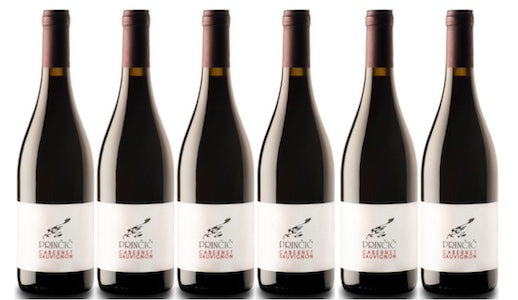
Consider Tannins: Tannic red wines, such as Cabernet Sauvignon or Syrah, can pair well with dark chocolates high in cocoa content. The tannins in the wine and the bitterness of the chocolate can create a harmonious combination. That said, very high-cocoa bars and very tannic wines can compound each other’s bitterness, so moderation helps.
Experiment: Don’t be afraid to experiment with different combinations. Everyone’s palate is unique, and personal preferences play a significant role in finding the perfect pairing. Taste different wines with various chocolates to discover your favorite combinations. For a tasting at home, try a small square of chocolate, let it melt on the tongue, and then sip, noting how the wine’s flavors change.
Delectable Wine and Chocolate Pairings
Now that we understand the principles of pairing, let’s explore some mouthwatering combinations:
Dark Chocolate and Cabernet Sauvignon: The robust, tannic nature of Cabernet Sauvignon pairs beautifully with dark chocolate. Look for a Cabernet Sauvignon with ripe black fruit flavors and firm tannins. Choose a dark chocolate with a high cocoa content, around 70% or higher. The rich, complex flavors of the chocolate will complement the wine’s structure, while the tannins in the wine will harmonize with the bitterness of the chocolate. Cabernets from warm regions such as Napa Valley and Australia’s Coonawarra tend to work best, since their riper fruit and softer tannins keep the wine from tasting harsh.
Milk Chocolate and Pinot Noir: Pinot Noir, with its fruity and elegant characteristics, is an excellent match for creamy, milk chocolate. Opt for a Pinot Noir with notes of red berries, cherries, and a hint of spice. The wine’s bright acidity and lighter body will complement the sweetness and creaminess of the milk chocolate, resulting in a luscious pairing. Bottles from Oregon, Burgundy, or New Zealand’s Central Otago offer the red fruit and freshness that suit this match.
White Chocolate and Riesling: The delicate, sweet flavors of white chocolate pair well with the floral and fruity notes of a Riesling. Choose a Riesling with off-dry or medium sweetness to balance the sweetness of the white chocolate. The wine’s acidity will cut through the richness of the chocolate, creating a refreshing and harmonious combination. A German Spätlese or an off-dry Riesling from the Finger Lakes is a good place to start, and a touch of fruit in the chocolate, such as raspberry or apricot, can make the match even better.
Dark Chocolate and Port: The rich, velvety sweetness of a Port wine makes it an excellent partner for dark chocolate. Look for a Vintage Port or Late Bottled Vintage (LBV) Port with complex flavors of dark fruits, spices, and a hint of chocolate. The intense, concentrated flavors of the Port will complement the boldness of the dark chocolate, resulting in a sumptuous and indulgent pairing. Ruby Port is a budget-friendly alternative, while Banyuls, a sweet fortified wine from Roussillon in southern France made from Grenache, is often called one of the classic chocolate partners.
Chocolate Truffles and Champagne: The effervescence and acidity of Champagne or sparkling wine provide a delightful contrast to the richness of chocolate truffles. Opt for a dry or slightly off-dry Champagne, such as Brut or Extra Brut. The crisp, refreshing bubbles will cleanse the palate and balance the sweetness of the truffles, creating a luxurious and celebratory combination. Many sommeliers lean toward a Demi-Sec or a sparkling rosé for sweeter truffles, since the extra sweetness stops the wine from tasting sharp.
These pairings are just suggestions, and taste is subjective. Feel free to experiment with different wines and chocolates to find your perfect indulgence. Serve the chocolate at room temperature, since cold chocolate dulls its aroma and texture, and keep the wine at its usual serving temperature.
Wine and Chocolate or Chocolate Wine?
Chocolate wine, also known as chocolate-infused wine or chocolate-flavored wine, is a type of wine that incorporates the flavors of chocolate. It is created by infusing wine with chocolate or adding chocolate flavors during the winemaking process. While it may sound like a decadent combination, chocolate wine has gained popularity among wine enthusiasts and chocolate lovers. It is a modern, novelty-leaning category rather than a traditional one, and products vary widely, from lightly flavored table wines to sweet, dessert-style bottlings.
The process of making chocolate wine involves blending wine with chocolate or adding chocolate extracts, cocoa powder, or other chocolate flavorings. The exact method varies depending on the producer and the desired flavor profile. Some winemakers use red wine as the base and infuse it with chocolate flavors, while others opt for a blend of red and white wines. Many versions are lightly sweetened, and some are fortified or blended with cream, which makes them closer in spirit to a liqueur or dessert drink than to a classic table wine.
The resulting chocolate wine typically has a rich, velvety texture with a pronounced chocolate aroma and taste. It often exhibits sweet flavors reminiscent of dark chocolate, milk chocolate, or even chocolate truffles. Some variations may include additional flavors such as vanilla, caramel, or berries to complement the chocolate notes. Because the flavoring is added rather than grown, quality depends heavily on how well the chocolate is integrated, and the best examples avoid a cloying, syrupy finish.
Chocolate wine can be served chilled or at room temperature, depending on personal preference. It is often enjoyed as a dessert wine or paired with chocolate-based desserts, such as chocolate cake, truffles, or chocolate mousse. Fresh strawberries, raspberries, and vanilla ice cream are also natural companions. It can also be used as an ingredient in cocktails or enjoyed on its own as a unique indulgence.
It is worth noting that chocolate wine should not be confused with chocolate liqueur or chocolate-flavored spirits. While chocolate liqueur typically has a higher alcohol content and a more intense chocolate flavor, chocolate wine retains the characteristics of traditional wine with added chocolate nuances. Most chocolate wines sit at a moderate alcohol level, often in the range of 12 to 18 percent, whereas liqueurs generally run higher and are much thicker.
As with any wine, the quality and flavor profile of chocolate wine can vary depending on the producer and the specific ingredients used. Some wineries specialize in crafting chocolate wines, ensuring a high level of expertise and attention to detail in the production process. Reading labels helps, since some products use real cocoa while others rely on artificial flavoring.
Overall, chocolate wine offers a delightful fusion of two beloved indulgences: wine and chocolate. Its distinctive flavor profile makes it a unique choice for those seeking a sweet and luxurious wine experience.
In conclusion, wine and chocolate pairings offer a delightful exploration of flavors, textures, and indulgence. By understanding the flavor profiles of both wine and chocolate and following some basic guidelines, you can create memorable combinations that enhance the enjoyment of each. So gather your favorite wines and chocolates, embark on a sensory adventure, and savor the perfect indulgence that awaits.