The Mediterranean diet has earned its reputation not through trend cycles, but through decades of observation and research. Populations bordering the Mediterranean Sea—particularly in parts of Greece and southern Italy—demonstrated lower rates of heart disease in the mid-20th century, drawing the attention of researchers. Since then, large studies have strengthened the evidence that this way of eating supports cardiovascular health and longevity.
But beyond the data, the Mediterranean diet is simply a joyful way to eat.
At its core, it prioritizes fresh vegetables and fruits, whole grains, legumes, nuts, seeds, olive oil as the primary fat, moderate amounts of fish and poultry, and smaller portions of red meat and sweets. Meals are built around plants first, with proteins and healthy fats enhancing both flavor and satiety. The result is a pattern of eating that feels abundant rather than restrictive.
Lunchtime, in particular, becomes an opportunity. A vibrant salad layered with tomatoes, cucumbers, olives, and feta. A hearty lentil soup finished with a squeeze of lemon. A whole-grain wrap filled with tuna, herbs, and peppery greens. These meals are colorful, textured, and deeply satisfying—not because they are complicated, but because they balance acidity, richness, freshness, and warmth.
Adopting the Mediterranean diet means more than following a list of ingredients. It means embracing simplicity, seasonality, and mindful enjoyment. It is a lifestyle built on nourishment, community, and flavor—where eating well and living well are woven together.
In the sections that follow, we’ll explore Mediterranean-inspired lunch ideas that are as practical as they are delicious, helping you bring both vitality and variety to your midday meal.
Grilled Chicken Greek Salad
Combine the lean protein of grilled chicken with a classic Greek salad. Toss together crisp lettuce, juicy tomatoes, cucumber, red onion, Kalamata olives, and feta cheese. Top it off with a homemade vinaigrette made with extra virgin olive oil, lemon juice, and a dash of oregano for a light and satisfying lunch.

A Greek salad with grilled chicken is already doing most of the work. Our job is to stop it from tasting like something you grudgingly order at an airport café.
So let’s build it like we mean it.
First, the chicken.
Use boneless, skinless thighs if you want flavor that actually shows up to the party. Breasts are fine, but thighs are forgiving and juicier.
Whisk together:
- extra virgin olive oil
- zest of one lemon
- juice of half that lemon
- 2 cloves garlic, grated
- a teaspoon dried oregano
- a pinch of smoked paprika
- salt and black pepper
Mediterranean Quinoa Bowl
Create a wholesome quinoa bowl by combining cooked quinoa with a medley of roasted vegetables such as cherry tomatoes, bell peppers, zucchini, and red onion. Add in some chickpeas for added protein, drizzle with olive oil, and sprinkle with feta cheese for a nutritious and flavorful lunch.

A quinoa bowl can either taste like a wellness blog wrote it… or like the eastern Mediterranean sun personally signed off on it. Let’s aim for the latter.
First, respect the quinoa.
Quinoa isn’t just “tiny health pebbles.” It’s a seed with a nutty backbone. Rinse it well under cold water—this removes saponins, the natural coating that can taste bitter and soapy. Science saves lunch again.
Cook 1 cup quinoa in 2 cups vegetable broth instead of water. Add:
- a smashed garlic clove
- a strip of lemon zest
- a pinch of salt
Stuffed Grape Leaves (Dolma)
Dive into the Mediterranean culinary tradition with stuffed grape leaves, or Dolma. Filled with a mixture of rice, pine nuts, and herbs, these grape leaves make for a tasty and unique lunch option. Serve with a side of plain Greek yogurt for added creaminess.

Stuffed grape leaves are one of humanity’s great edible engineering projects. You take a leaf—yes, an actual leaf—wrap it around rice and herbs, and suddenly you have something served from the Balkans to the Levant to North Africa. That’s culinary evolution at work.
The word “dolma” simply means “stuffed” in Turkish, and versions appear across Greece, Turkey, and beyond. Think of it as a portable rice ecosystem wrapped in chlorophyll.
Start with grape leaves.
Mediterranean Chickpea Salad
Combine canned chickpeas with diced cucumber, cherry tomatoes, red onion, and parsley. Toss the ingredients with a lemon and olive oil dressing, and add a pinch of cumin and paprika for extra flavor. This protein-packed salad is not only delicious but also quick and easy to prepare.

This is the kind of salad that pretends to be simple and then quietly becomes addictive.
Let’s elevate it from “pantry emergency” to “I meant to make this.”
Start with the chickpeas.
Drain and rinse them well. Then—this is the small trick that changes everything—pat them dry and toss them in a hot pan with a drizzle of olive oil for 5–7 minutes. Just enough to warm them and slightly blister the skins. You’re not turning them crunchy; you’re waking them up. Heat amplifies aroma. Aroma equals flavor.
Mediterranean Tuna Salad Wrap
Mix canned tuna with cherry tomatoes, Kalamata olives, red onion, and feta cheese. Wrap the mixture in a whole-grain tortilla or flatbread, and add a handful of fresh arugula for a crunchy element. This portable and satisfying wrap is perfect for a busy lunch on the go.

This is not the sad, beige tuna wrap of office break rooms. This is tuna that went on vacation and came back interesting.
Start with the tuna. Use good-quality canned tuna packed in olive oil if you can. Drain it lightly, but don’t squeeze it into desert conditions. Flake it gently with a fork so you keep some texture.
Now give it structure.
Into a bowl:
- flaked tuna
- halved cherry tomatoes
- chopped Kalamata olives (briny, wine-dark, dramatic)
- very thin slices of red onion
- crumbled feta

Eggplant and Tomato Bake
Layer slices of eggplant and tomatoes in a baking dish, drizzle with olive oil, and sprinkle with fresh herbs such as thyme and rosemary. Bake until the vegetables are tender and golden brown. This simple yet flavorful dish can be enjoyed on its own or paired with a side of whole grain couscous.

Eggplant is one of those vegetables that rewards patience and punishes haste. Treat it casually and it turns spongy and bland. Treat it properly and it becomes silky, almost custardy, like it decided to reinvent itself.
Let’s do this right.
First: slice the eggplant into rounds about ½ inch thick. Lay them on a tray and sprinkle generously with salt. Let them sit 20–30 minutes. This draws out excess moisture and some bitterness through osmosis. You’ll see little beads of water form. Pat them dry. You’ve just upgraded texture.
Mediterranean Lentil Soup
Embrace the heartiness of lentils in a Mediterranean-style soup. Combine lentils with tomatoes, carrots, celery, and a blend of Mediterranean herbs. The result is a filling and nutritious soup that can be enjoyed as a standalone meal or paired with a side of crusty whole-grain bread.

Lentil soup is one of humanity’s oldest comfort technologies. Cheap, durable legumes plus water plus heat equals survival—and, if done properly, deep satisfaction.
Let’s build one that tastes like it simmered in a stone kitchen near the sea instead of a rushed Tuesday.
Start with 1 cup dried brown or green lentils. Rinse them well and pick out any stray pebbles. Lentils don’t need soaking, which is part of their charm.
Conclusion
Lunchtime on a Mediterranean diet is not a moral obligation. It’s not a beige container of restraint. It’s a small daily rebellion against blandness.
The Mediterranean pattern of eating—rich in olive oil, legumes, whole grains, vegetables, herbs, seafood, and fermented dairy—has been studied for decades because populations in places like Greece and southern Italy showed lower rates of cardiovascular disease. The landmark Seven Countries Study led by Ancel Keys helped bring global attention to this way of eating. Later, large clinical trials such as PREDIMED reinforced its heart-protective benefits. The science keeps circling back to the same theme: real food, mostly plants, generous healthy fats, shared regularly.
But data alone doesn’t make lunch exciting. Flavor does.
When you build Mediterranean lunches—whether it’s lentil soup brightened with lemon, a tuna wrap studded with olives, or a roasted vegetable quinoa bowl—you’re playing with contrasts. Acid against fat. Crunch against creaminess. Bitter greens against sweet tomatoes. Herbs against heat. Your palate thrives on contrast; monotony is the real enemy.
There’s also a metabolic elegance to it. Olive oil provides monounsaturated fats that support cardiovascular health. Legumes deliver fiber and plant protein that steady blood sugar. Fermented dairy like yogurt contributes probiotics. Tomatoes and leafy greens bring antioxidants. None of this feels clinical when it tastes good. That’s the genius: pleasure and physiology aren’t rivals here.
Think of lunch not as refueling, but as recalibrating. A bright salad with lemon and oregano can reset your senses mid-day. A bowl of lentils with crusty bread can ground you. A wrap layered with briny olives and peppery arugula can wake you up better than coffee.
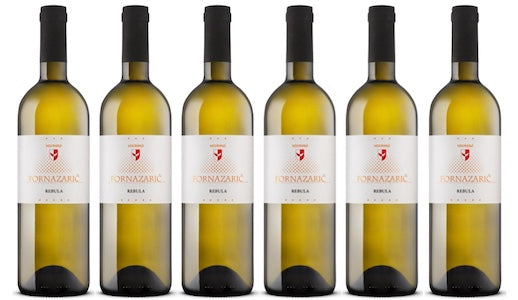
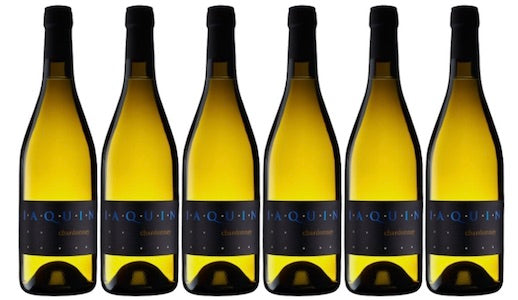
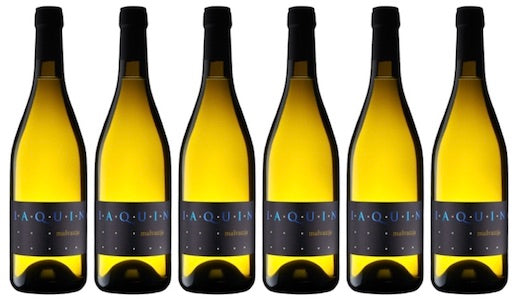
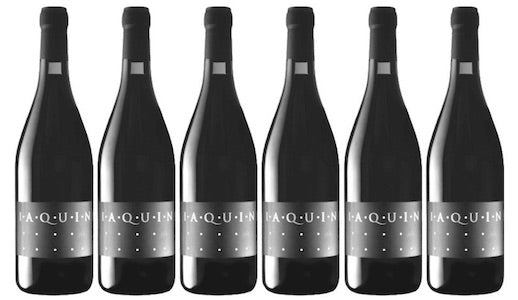
The Mediterranean approach is less about strict rules and more about patterns: cook simply, season boldly, eat slowly, repeat tomorrow. It invites experimentation. Swap herbs. Add spice. Char your vegetables harder. Squeeze more lemon. The framework is sturdy; creativity is welcome. Well, and pour some wine, why not?
In the end, this way of eating endures not because it is trendy, but because it is deeply human. It celebrates abundance without excess, nourishment without austerity, and flavor without apology.
Lunch can be routine. Or it can be a small daily act of curiosity. The Mediterranean table has always chosen curiosity.