“It is a hard matter to save that city from ruin where a fish is sold for more than an ox.” – Marcus Porcius Cato on the craze for fish dishes in Rome in the 2nd century BC.
In ancient Rome, they loved to eat well and knew how to do it right. Especially those Romans who had enough money and time. Did they call it the Mediterranean Diet? It is unlikely, although the Romans certainly knew the Greek word “diatia”. This word did not mean restrictions on food but had a broader meaning: an orderly lifestyle, meaningfulness and moderation. Ancient Greeks have always been adherents of a sense of proportion. The very concept of the golden middle (or golden mean) was first used by Aristotle, who considered moderation one of the main human virtues.
The diet of any ancient Roman, from slave to senator, was unthinkable without three things: bread, olive oil and wine. Has anything changed?
Bread: the average Italian consumes almost 100 kg/year of durum wheat and common wheat products. Olive oil: Italy ranks second (after Greece) in the world in terms of olive oil consumption.
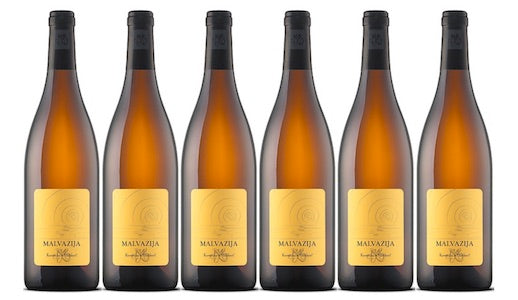
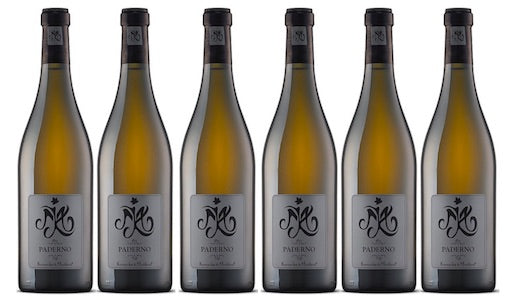
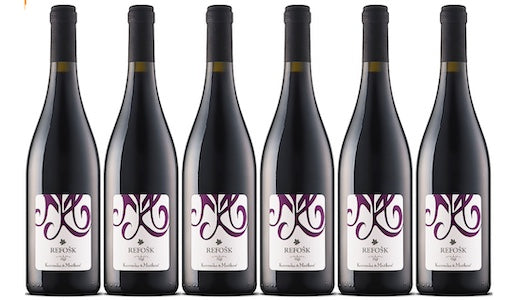
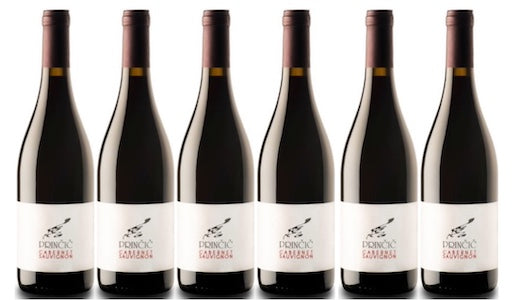
AND WHAT ABOUT WINE?
By the way, most sources indicate that the best wheat was delivered from Egypt, the best wine was made in Campania and Lazio, and the best olive oil was considered olive oil from Spain.
Hippocrates, Galen, and the Foundations of Mediterranean Eating
Were there any scientific studies on the benefits of what we now call the Mediterranean diet in Ancient Rome?
Hippocrates and Galen, often regarded as foundational figures of Western medicine, treated diet as central to both health maintenance and disease treatment. They considered it a distinct medical discipline, known as dietetics, or diatia (or even almost unpronounceable diaitētikē).
Notably, neither physician spoke of a “Mediterranean diet.” It's unlikely they could imagine that this diet would be named Mediterranean diet a couple of millennia later in the US (to be precise, in 1958, by the American physiologist Ancel Benjamin Keys). It also hardly occurred to them that other regional diets might exist. Why would they care? Their focus was not on categorizing diets, but on understanding how food influenced the body.
Both thinkers grounded their dietary theories in humoral physiology, the belief that health depends on balancing the four humors: blood, phlegm, yellow bile, and black bile. Food, in this framework, functioned as a regulatory tool. While Galen elaborated on Hippocratic ideas, both emphasized moderation, seasonality, and individualized regimens.
In "On Airs, Waters, and Places", Hippocrates argued that physicians must consider a patient’s environment and lifestyle alongside symptoms. He advised seasonal dietary adjustments: in winter, drier and more warming foods such as roasted meat and bread; in summer, lighter, moist, and cooling foods.
Hippocrates also believed that nutrition should be tailored to individual needs — that is, in modern terms, according to calorie expenditure. He called physical exercise a must for anyone who did not consider illness an option. However, he cautioned that excessive exercise was unnatural and harmful to health, advocating instead for moderate physical activity.
Galen formalized diet as one of the three pillars of medicine, alongside pharmacology and surgery. He expanded the Hippocratic model using a “theory of opposites,” prescribing foods to counteract imbalances — for example, cooling foods for excess heat. In his work On the Properties of Food, he classified over 150 foods according to their heating, cooling, drying, or moistening effects. Interestingly, he cautioned against many fresh fruits, believing they could promote illness, with limited exceptions such as figs and grapes.
Galen further argued that an effective physician should also understand cooking, using food therapeutically to manage chronic conditions and minimize reliance on potent drugs. He also articulated the concept of the “six non-naturals” — external factors influencing health: diet, environment, sleep, exercise, bodily evacuations, and emotional states.
Did the Romans know about the works of these doctors? Of course, they did, although not many. Educated elites were indeed familiar with these medical traditions, particularly Galen’s, whose influence was extensive in the Roman world. However, this knowledge was not widespread. Those who engaged with such medical literature were more likely to adopt its dietary recommendations, though it would be anachronistic to interpret this as adherence to a formally defined “Mediterranean diet” in the modern sense.
What Did the Roman Mediterranean Diet Taste Like?
Let's add a sensory reconstruction of a Roman meal. We must admit right away: we don't have a time machine, so our sources are Cato the Elder, Apicius, Juvenal, Martial, Pliny the Elder (the one who hated Garum), Seneca, and others.
In this article, we have already mentioned Garum - a sauce, which, according to Pliny the Elder, was “poison made from decaying roten fish”.
What Did Garum Actually Smell Like?
In fact, Garum smelled intense, pungent, and unmistakably marine, but not necessarily unpleasant once you adjust expectations.
At its core, Garum was produced by fermenting fish (often anchovies, mackerel, or sardines) with salt under the sun. The process breaks down proteins into amino acids (especially glutamates) creating a powerful umami profile. Chemically, this also releases compounds responsible for strong odors: amines, sulfur compounds, and fatty acids.
To a modern nose, the closest comparisons would be:
– Southeast Asian fish sauces (like Vietnamese nuoc mam or Thai nam pla)
– Fermented shrimp paste, but typically less muddy and more liquid
– Anchovy paste left open and warmed
So the smell would register as:
– Salty and briny (like sea air concentrated)
– Fermented and slightly “funky” (cheese-like, in a way)
– Sharp, even ammonia-like at lower-quality grades
– Deeply savory underneath the initial hit
High-quality Garum (especially the kind served at elite tables) was filtered, clearer, and more refined. Ancient sources suggest it could be surprisingly “clean” in aroma, closer to a rich broth than rotting fish. Lower-grade versions (like allec, the paste residue) likely smelled far harsher.
One important contextual point: Romans were habituated to fermentation. Their palate already included aged cheese, wine in various states, and preserved foods. What might strike a modern person as borderline offensive would, to them, signal depth, quality, and even luxury.
In practice, Garum wasn’t usually consumed on its own. It was diluted into sauces, mixed with wine, vinegar, oil, or herbs. That would soften the smell and integrate it into something closer to a complex seasoning rather than a dominant odor.
So, not “rotten fish” in the crude sense, but closer to a concentrated, fermented ocean essence: sharp on first contact, then deeply savory once contextualized.
How Salty, Fermented, or Sweet Were Dishes?
Roman flavor profiles skewed far more toward salty and fermented than most modern Mediterranean cuisines, with sweetness used strategically rather than as a dominant taste.
Start with saltiness. It was pervasive and often intense. Salt itself was valuable, but the real driver was garum, which functioned almost like a universal seasoning. Because garum is already heavily salted, many dishes layered salt on salt—fish sauce, cured meats, olives, cheese. To a modern palate, especially one used to lighter seasoning, many Roman dishes would taste over-salted or aggressively briny. However, dilution was common: garum was often mixed with water, wine, or vinegar into sauces like oenogarum, which moderated the intensity.
Fermentation was not just present, it was foundational. Beyond garum, Romans consumed:
– fermented wine (often aged, sometimes oxidized by modern standards)
– aged cheeses with strong aromas
– preserved olives and pickled vegetables
This means a typical dish might carry multiple layers of fermentation simultaneously. The result wasn’t subtle. It produced a depth we would describe as “umami,” but also a pronounced “funk” — closer to combining anchovies, aged cheese, and wine reduction in one preparation. For elite cuisine, like that associated with Lucius Licinius Lucullus (we'll talk about him soon), this complexity was refined rather than reduced; balance came from composition, not restraint.
Sweetness, by contrast, was used in a way that often surprises modern readers. Romans frequently combined sweet and savory in the same dish. Honey and reduced grape must (defrutum or sapa) were common sweeteners. You might find:
– meat glazed with honey and vinegar
– sauces combining garum, wine, oil, and sweet reduction
– fruits cooked alongside savory proteins
So dishes were often simultaneously salty, sour, and sweet, rather than clearly separated into courses like modern Western cuisine. This creates a profile closer to some Middle Eastern or Southeast Asian traditions than to contemporary Italian food.
One key distinction: sweetness rarely meant “dessert-like.” It functioned more as a balancing agent — cutting saltiness, rounding acidity, or highlighting spices. Purely sweet courses did exist, but they were less structurally important than in modern dining.
So, a typical Roman dish (especially at the upper end) could be described as salt-forward and mineral, deeply fermented and savory, layered with mild to moderate sweetness, and intentionally contrast-driven rather than clean or minimal.
The overall effect was complexity and intensity, not subtlety.
What Textures Dominated in Roman Mediterranean Cuisine?
Texture in Roman cuisine skewed strongly toward soft, moist, and sauce-bound foods, while crispness and crunch played a secondary role. The baseline for much of the population was puls, a porridge made from emmer wheat. It was thick and cohesive, sometimes slightly coarse depending on the grind, but fundamentally soft. This was not merely a subsistence food; it shaped Roman expectations of what a meal should feel like. Even as diets diversified across classes and regions, the preference for foods that could be mixed, soaked, or stewed remained consistent.
Bread introduced some variation, but it rarely resembled the crusty, structured loaves familiar today. Most Roman bread was dense and practical, with a texture that was more chewy than crisp. It was often dipped into wine, oil, or sauces, which quickly softened it further. In this sense, bread functioned less as a textural centerpiece and more as a vehicle for other components, reinforcing the broader tendency toward softness and absorption.
Sauces were central to Roman cooking and played a decisive role in shaping texture. As evidenced in De re coquinaria, dishes were frequently stewed or braised and then dressed with liquid mixtures of garum, wine, oil, and vinegar. These preparations created a texture that was coated, lubricated, and integrated, rather than composed of distinct, contrasting elements. Food was commonly eaten with fingers or spoons, which further encouraged cohesion over structural separation.
Meat followed similar principles. While roasting was practiced, particularly for display at banquets, much of it was slow-cooked, minced, or incorporated into sausages and composite dishes. Even elaborate presentations prioritized richness and abundance over textural contrast. Interiors of such dishes were often layered but still predominantly soft, emphasizing density and flavor integration rather than variation in mouthfeel.
Crunch did exist, but it occupied a marginal role. Raw vegetables, nuts, and some fruits could provide moments of firmness or bite, yet these were accents rather than defining features. Even at elite tables, refinement did not mean crispness in the modern sense. Instead, it involved smoother sauces, more carefully tenderized meats, and subtle gradations within otherwise soft preparations.
Overall, the dominant texture profile of Roman cuisine was soft, moist, and cohesive. Foods were designed to merge rather than contrast, producing a culinary experience centered on richness and integration rather than sharp textural differentiation.
Who Is Dining at Lucullus Today?
Food was not only an important part of the Roman lifestyle but also a hallmark of noble birth, wealth and refined taste. A person with high social status could not afford to stoop to cheap food or dine in a street cafe, thermopolium. It was some kind of low-grade fast-food eatery where commoners ate.

There were no expensive and decent restaurants then, as it was considered prestigious to have your own kitchen and a good slave cook. There was even a tradition to exchange cooks with friends for a short time. It was a kind of cultural event that enriched the gourmet experience.
But not only! Eating together was an important social ritual. A skilled cook was very expensive, and it was almost impossible to buy him because no one wanted to lose such a valuable socio-political asset.
Such cooks were “stars” and if you managed to get them for a couple of days in your kitchen, then you could invite the most noble and influential people of Rome to dinner. And this, as a result, raised your status and opened many doors and opportunities for your career growth.
Sometimes, such dinner parties boggle the imagination of even the most sophisticated guests. Well, actually this was exactly the goal of the host.
The main requirement for food preparation was often its uniqueness and pretentiousness. Dishes made from exotic animals, such as fried crocodiles or flamingo tongues, were highly valuable. There was also a custom to bake a whole boar carcass stuffed with pigeons, thrushes and quails.
In general, serving meat with meat was considered normal. At rich feasts, combined dishes of several types of meat were often cooked with a large amount of sausage.
However, the attraction for the guests was not only and not so much the culinary part of these banquets. At these luxurious parties, guests watched performances, enjoyed singing and dancing, had sex, conversed with philosophers, made useful contacts, and even committed ritual suicides.

For most (hopefully) of us, this sounds a little crazy and we are surprised by this behavior of the Roman elite. But perhaps we just don’t know everything about the people who work in our governments.
One of the most famous gourmets was the Roman consul Lucius Licinius Lucullus. But unlike many of his contemporaries, he was not interested in vulgar shows and exciting orgies.
Lucius Licinius Lucullus (c. 117 BC – 57/56 BC) was a Roman general, consul, and statesman renowned for his campaigns against Mithridates VI of Pontus and for the extravagant luxury of his later life. His name became synonymous with refined feasting—the adjective “Lucullan” still denotes lavish opulence. Lucullus belonged to the influential Licinii gens and gained prominence under Lucius Cornelius Sulla during the Social War. Loyal to Sulla, he served as quaestor in the East and proved indispensable in campaigns against Mithridates VI. His early administrative reforms in Asia Minor showed fiscal restraint rare among Roman governors, earning him respect from locals and hostility from Roman financiers. As consul in 74 BC, Lucullus assumed command in the Third Mithridatic War. He defeated Mithridates at Cyzicus and Cabira and later marched into Armenia, capturing Tigranocerta in 69 BC. Despite these triumphs, repeated troop mutinies and political intrigue in Rome led to his replacement by Gnaeus Pompeius Magnus in 66 BC. Denied immediate triumph, Lucullus retired from politics and dedicated himself to philosophy, horticulture, and gastronomy. He built the famed Horti Luculliani on Rome’s Pincian Hill, created opulent seaside villas near Naples, and was credited with introducing the cherry tree to Europe. Writers such as Plutarch and Cicero depicted Lucullus as a cultivated patrician combining military brilliance with indulgent taste. His dual legacy as conqueror and connoisseur makes him a lasting symbol of Rome’s transformation from martial republic to luxury-laden empire. Source: Encyclopaedia Britannica.
Lucullus was a true expert and a very sophisticated connoisseur of haute cuisine. He was well-versed in the nuances of taste and knew all the features of creating complex dishes and their combination with various wines. The best cooks worked for Lucullus, he had the most exquisite dinners, and it was considered a great honor to receive an invitation to dine with Lucullus.
“Dine at Lucullus” is still a popular expression, meaning a great gastronomic feast. And if you stumble upon a restaurant named Lucullus somewhere, chances are the food will not disappoint you.